Bioplastic Products Made from Cassava in Cikarawang Are Exported to Japan
Thursday, 23 January 2025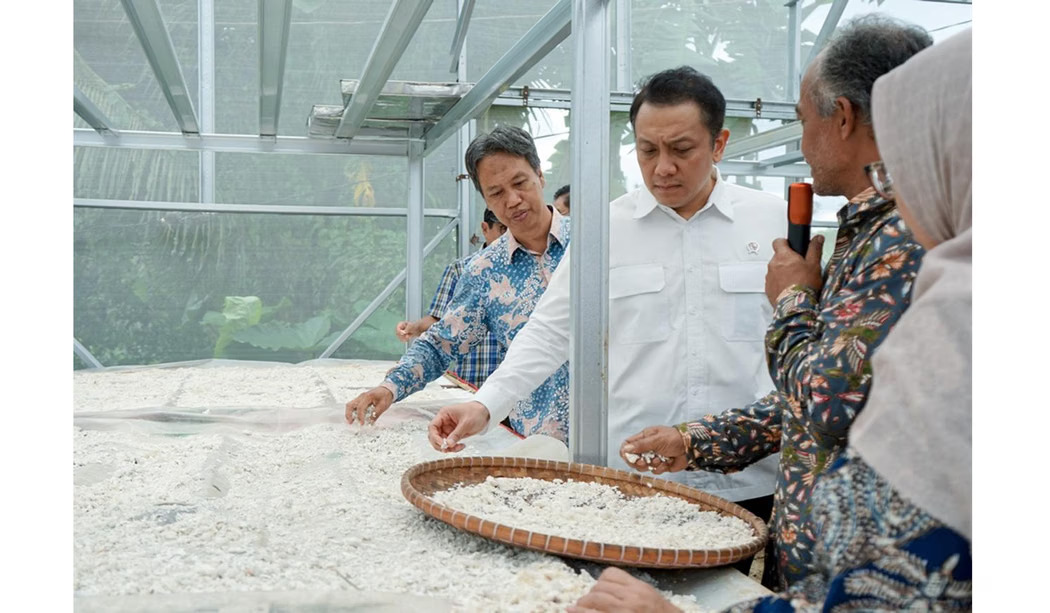
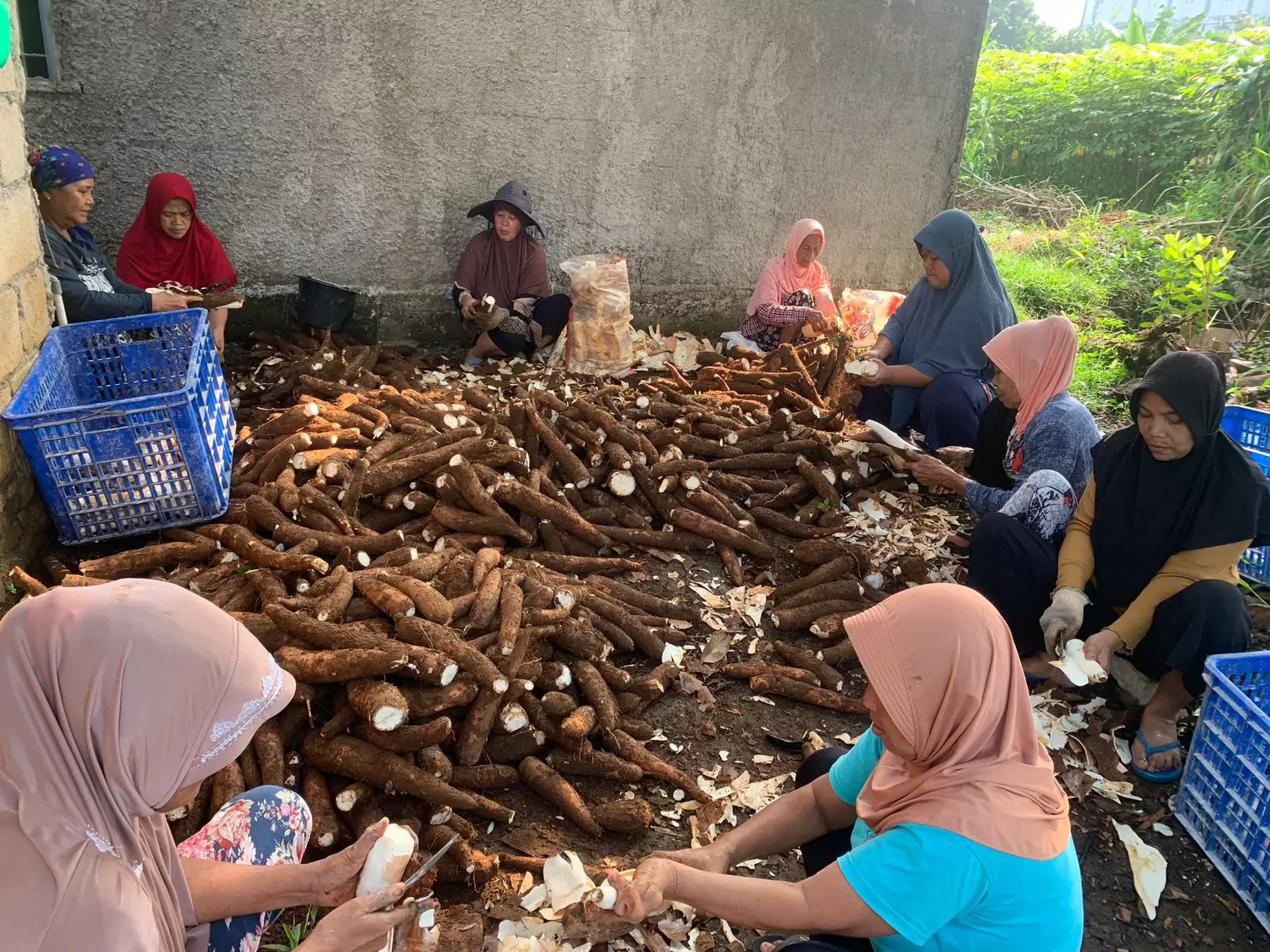
Cassava, a simple and affordable staple crop, has now become a high-value commodity. Through collaboration between local farmers in Cikarawang Village, Greenhope, and various other stakeholders, cassava has been transformed into a range of innovative products, including environmentally friendly bioplastics that have been exported to global markets, including Japan.
Greenhope, together with the Setia Farmers Group, has developed the capacity of local farmers through intensive training, continuous mentoring, and production facility support.
Farmers are now able to process cassava into high-value products such as mocaf flour, mocaf instant noodles, and cassava-based bioplastic products using advanced technologies such as Ecoplas and Naturloop. One of the flagship products, bioplastic straws, has become an alternative solution to conventional plastic in the global market.
These innovations and initiatives align with the vision of President Prabowo Subianto as outlined in the book “National Transformation Strategy: Towards Golden Indonesia 2045”, released in 2023.
In the book, the use of bioplastics is listed as number 10 among the 17 priority programs under the agenda of “Ensuring Environmental Sustainability,” emphasizing that “the use of bioplastics in daily life must be pursued as soon as possible.”
“Through Ecoplas and Naturloop technologies, we ensure that cassava from local farmers can be transformed into naturally biodegradable bioplastic resin. This product is a real solution to replace environmentally harmful conventional plastics, especially plastics that are not viable or economical to recycle once they become waste. This is a contextual domestic innovation that effectively reduces carbon footprints and microplastic pollution while also creating positive socio-economic impacts for Indonesian farmers,” said Greenhope CEO Tommy Tjiptadjaja during the event “From Roots to Market: The Birth of Indonesia’s Bioplastic Industry” in Cikarawang Village, Dramaga, on Wednesday (1/22).
The event in Cikarawang Village was attended and supported by the Ministry of Environment, UNDP, BPDLH, bioplastic product users, and other stakeholders.
Tommy explained that through collaboration and support from various parties, including the government, this initiative has given birth to Indonesia’s bioplastic industry. As a result, Indonesia’s abundant natural resources can provide benefits from upstream to downstream sectors.
“We are grateful for the support from many parties. The establishment of Indonesia’s bioplastic industry has created consistent demand, so the cassava produced by farmers now has high economic value and contributes to shared prosperity,” he said.
On the same occasion, Deputy Minister of Environment Diaz Faisal Malik Hendropriyono expressed appreciation for the breakthrough achieved by Greenhope together with cassava farmers in Cikarawang Village. Products made from cassava starch have at least helped the government address the issue of plastic waste.
“There must be ways to make plastic decompose faster, so I am grateful for what Greenhope and other parties producing environmentally friendly products have done. I hope this can become a real solution, and I truly appreciate the efforts made, especially by the 130 farmers in Cikarawang Village,” he stated.
Awards were also presented to industry players who have become pioneers and supporters of environmentally friendly bioplastic use.
The awards were officially presented by KPPLI and the Gerakan Pasti movement as independent organizations committed to ensuring sustainability across the entire bioplastic ecosystem chain.
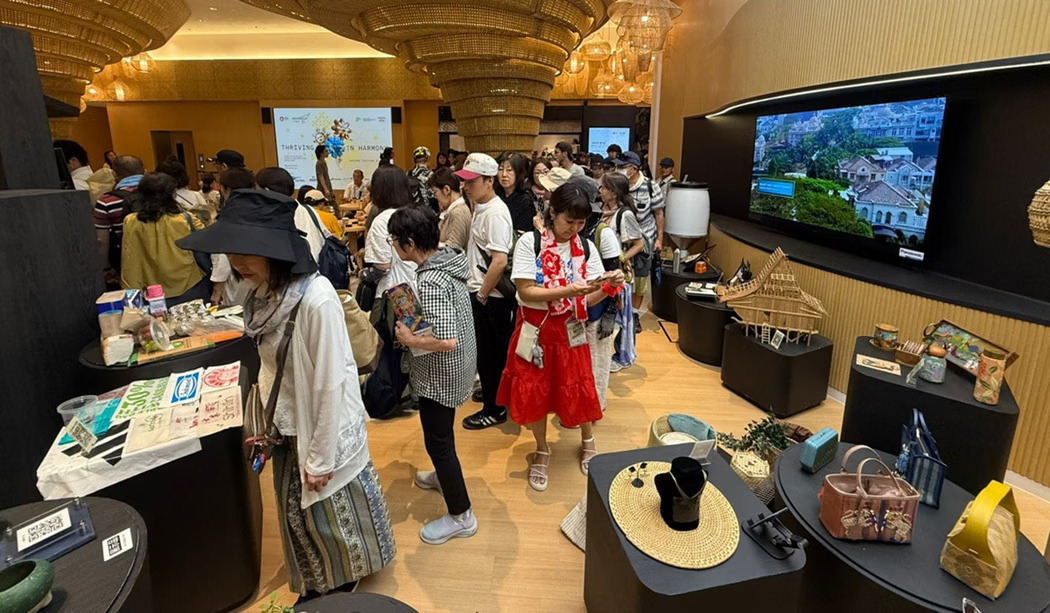
Deputy Minister of Environment Diaz Faisal Malik Hendropriyono also symbolically supported the awards presentation to bioplastic users such as Watsons, Sarirasa Group, Ecorasa, Tessa, Dewata by Monsieur Spoon, Kharisma Plastikindo, and Rekam Nusantara. This demonstrates that the solution has been accepted across various industrial sectors.
“Cassava-based bioplastic products not only help reduce plastic pollution but also create environmentally friendly solutions that positively impact society and the environment. I appreciate the efforts of Greenhope and all parties involved, especially the farmers of Cikarawang Village,” Diaz added.
Director of Fund Distribution at the Environmental Fund Management Agency (BPDLH), Damayanti Ratunanda, stated that her institution remains committed to supporting sustainability. This commitment is reflected through the launch of the Catalytic Funding program together with UNDP to help organizations expand their positive environmental, social, and governance impacts.
“We are happy to see the smiling faces of the farmers today because we can see there are now solutions to market products and alternative products from farmers,” she said.
Nila Murti, ASSIST National Project Manager at the United Nations Development Programme (UNDP), expressed gratitude to all parties for the success of the Catalytic Funding program. The project was designed to help the Indonesian government achieve its sustainable development targets.
“We want to continue accelerating private sector contributions toward achieving sustainable development goals. This entire program series is beneficial in empowering farmers—not only to produce cassava as food, but also to create material products used in biodegradable goods that have already been widely accepted by customers. We hope this initiative can continue,” said Nila.
Chairman of the Setia Farmers Group in Cikarawang, Ujang, explained that the collaboration with Greenhope began from a desire to create an independent village capable of improving the welfare of its residents. Various training, coaching, and mentoring programs were provided to increase the economic value of agricultural products.
“We not only received assistance, but also training on how cassava raw materials can be processed into flour. In addition, thankfully, we were also supported in packaging,” Ujang explained.
The realization of this collaboration involving multiple stakeholders demonstrates that all parties have successfully contributed to creating a circular and sustainable bioplastic ecosystem, from upstream to downstream. (Z-1)
Source article: https://mediaindonesia.com/humaniora/737361/produk-bioplastik-dari-singkong-cikarawang-dijual-hingga-ke-jepang
Latest Post