BRIN and Greenhope Synergize Research Through an Environmentally Friendly Approach
Sunday, 15 March 2026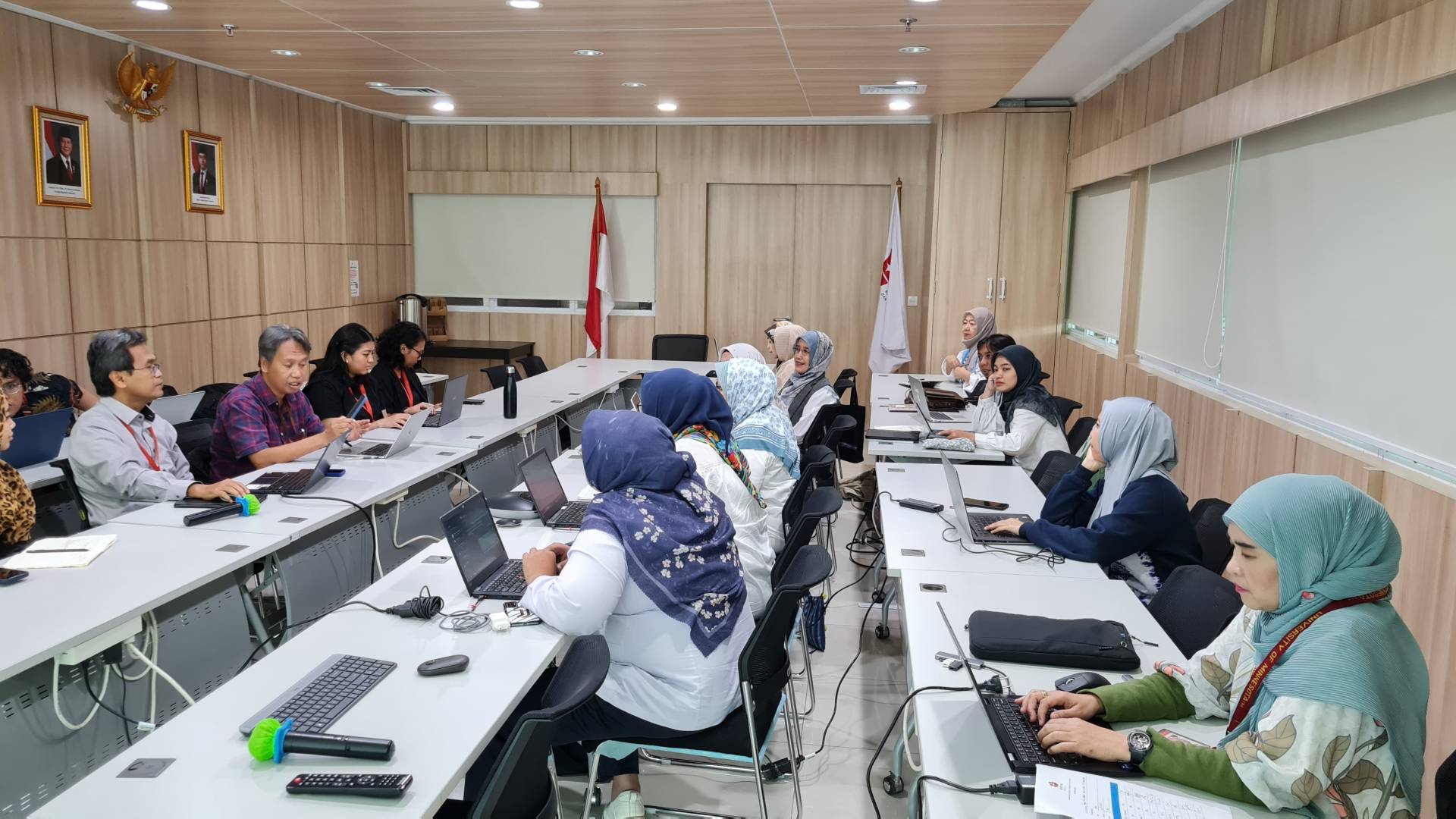
The BRIN, through its Oceanography Research Center, is collaborating with Greenhope to conduct research on Oxium pro-degradant technology and environmentally friendly approaches through biodegradation by microorganisms, a project that has been ongoing since June 2024.
“The main focus of this research collaboration is the potential of Oxium as an environmentally friendly solution for marine ecosystems. This topic will become the object of joint research studies in 2025. The research will also involve teams from BRIN consisting of researchers from various fields,” explained BRIN Oceanography Research Center researcher Yeti Darmayati during a follow-up meeting at the BRIN Science Area Aprilani Soegiarto Office in Ancol, Jakarta, on Wednesday (03/12).
She expressed hope that the research would identify superior microbial candidates as solutions for plastic waste management. In addition, the study is expected to provide important data for managing microplastic pollution in Indonesian waters.
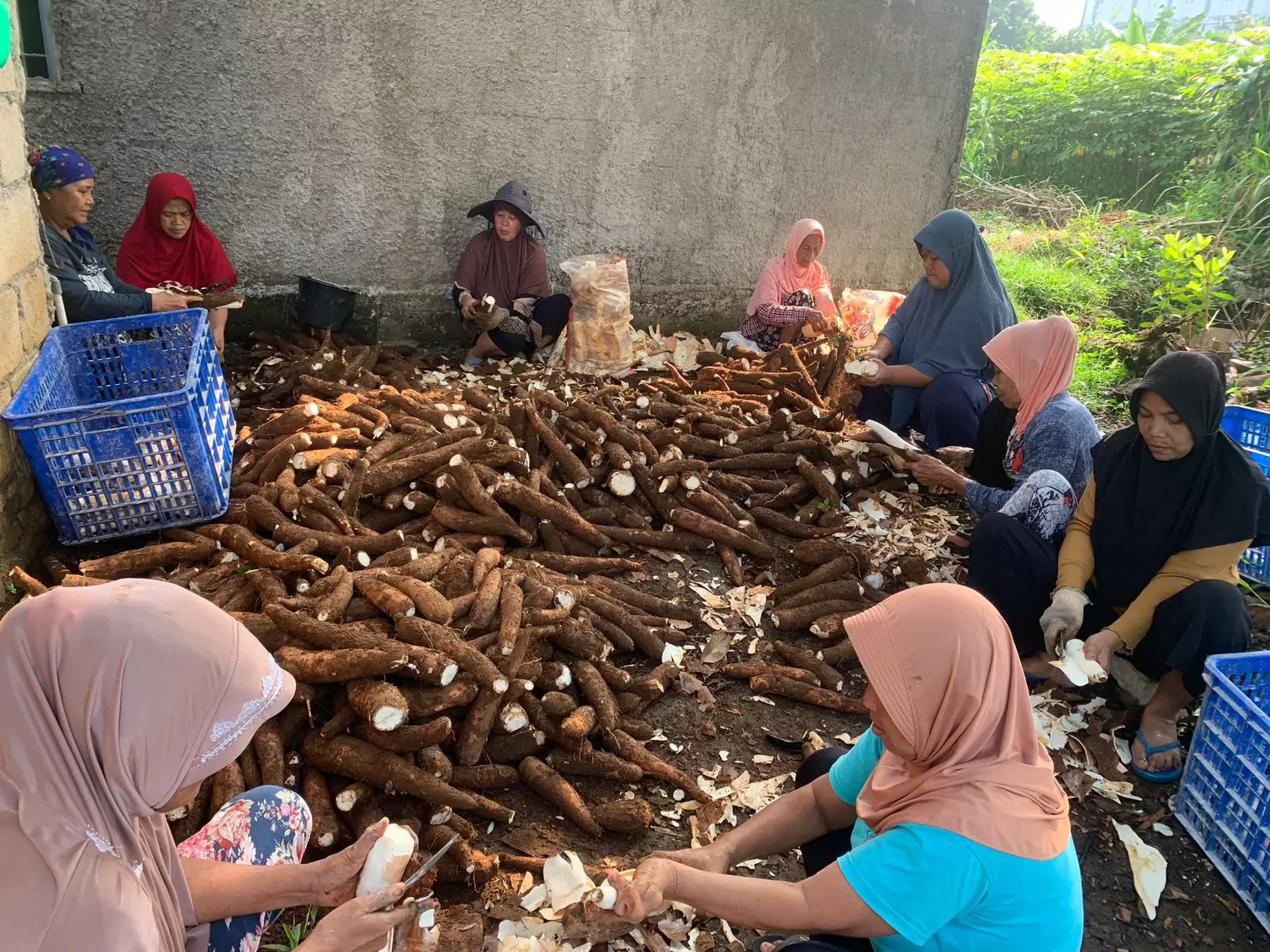
Meanwhile, Isroi, Collaboration Coordinator from Greenhope, emphasized that Greenhope is a research-based technology company producing bioplastics. “We aspire to help the government prevent plastic waste generation through alternative bioplastic innovations,” he explained.
Both parties discussed several crucial points, including the completion of legal documents, monitoring and evaluation (M&E) reports, and planning for the 2025 research activities.
For information, the 2024 research collaboration included several biodegradation experiments, such as preliminary biodegradation testing experiments, comparative experiments on macroplastic degradation rates, and toxicity impact studies, which have already been conducted and resulted in scientific papers that will be published.
“The collaboration between Greenhope and BRIN is expected to produce innovations that benefit the environment, particularly in addressing the issue of marine plastic pollution,” Yeti concluded.
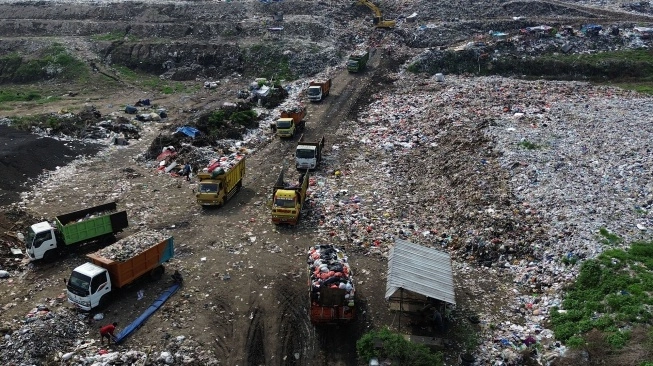
Global plastic production has continued to increase since the 1950s, creating significant microplastic problems, especially in marine environments. Plastics are generally made from crude oil with long, repeating carbon chains, making them difficult to decompose. These materials also have a long lifespan in marine ecosystems. Therefore, plastic waste has become a global concern, including in Indonesia. (SS/ed: And, ns)
Source article: https://brin.go.id/news/122564/brin-dan-greenhope-sinergikan-penelitian-dengan-pendekatan-ramah-lingkungan
Latest Post