Bioplastics as an Urgent Solution in Addressing Indonesia’s Plastic Waste Crisis
Tuesday, 26 August 2025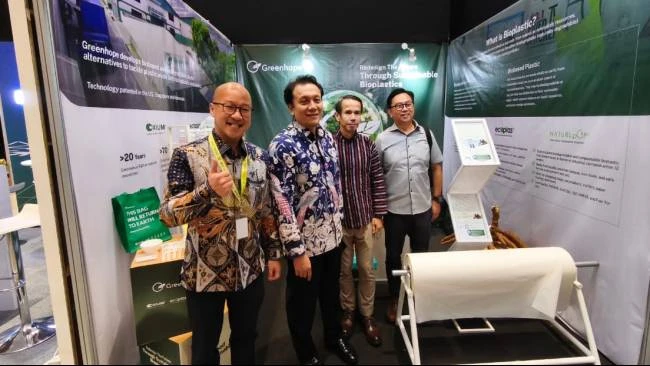
A strong push to accelerate the adoption of bioplastics and environmentally friendly packaging was once again emphasized at The 2nd Annual Indonesia Green Industry Summit 2025 (AIGIS 2025).
Initiated by Indonesia’s Ministry of Industry, the event became an important milestone as bioplastic industry players in Indonesia officially delivered a joint statement of commitment.
The commitment was initiated by the Indonesian Sustainable Materials Association (AMBI) and Greenhope (GH), with support from the Global Green Growth Institute (GGGI), and was directly witnessed by representatives from the Ministry of Industry, the Ministry of Environment, and Bappenas.
This statement reinforces the private sector’s commitment to expanding the use of environmentally friendly packaging, while also marking the government’s full support for aligning policies and regulations that can strengthen the domestic bioplastics industry.
“We hope this acceleration in adoption will make the bioplastics industry a significant positive contribution in combating the urgent plastic waste problem, helping the government achieve the RPJMN target under Presidential Regulation No. 12/2025, which aims to fully resolve Indonesia’s waste management issues by 2029,” said AMBI Chairman Tommy Tjiptadjaja, as quoted from a press release on Sunday (24/8/2025).
Tommy explained that AMBI serves as a collaborative platform for technology innovators, environmentally friendly plastic producers, and brand owners who use packaging, with the primary mission of promoting education, increasing public awareness, and accelerating the adoption of bioplastics.
He also emphasized the importance of multi-stakeholder solutions, ranging from environmentally friendly material innovation and recycling to Waste-to-Energy concepts. According to him, all solutions must work simultaneously from upstream to downstream in order to achieve national waste management targets.
Challenges and the Government’s Role
Deputy Minister of Environment Diaz Hendropriyono reminded attendees that Indonesia is currently still facing a plastic waste crisis.
“Of course, we know that we are currently in a crisis situation, and the government has set a major target under the RPJMN of achieving 50 percent waste management by 2025, while currently we are only at 39 percent,” he said.
Diaz added that such an ambitious target would be impossible to achieve by relying solely on the government. The role of businesses and innovation from industry players is absolutely essential.
“I believe exhibitions and discussions like this need to be attended and continuously supported by the government. Regulations must follow innovation. Regulations should not become obstacles to solutions,” Diaz stated.
Meanwhile, Minister of Industry Agus Gumiwang emphasized that accelerating the green industry and bioplastics sector aligns with the government’s target to reduce carbon emissions.
“Since three years ago, the Ministry of Industry has accelerated the Net Zero Emission (NZE) target for the manufacturing sector from 2060 to 2050. Whether we like it or not, this is market-driven. We want Indonesian green products to become available faster than those of other countries,” Agus stressed.
He noted that 33 percent of Indonesia’s greenhouse gas emissions come from the manufacturing sector, while 40 percent of national air pollution is also driven by industrial activities. Therefore, bioplastics represent one concrete solution to reduce these impacts.
Bioplastics: An Innovative Solution from Local Resources
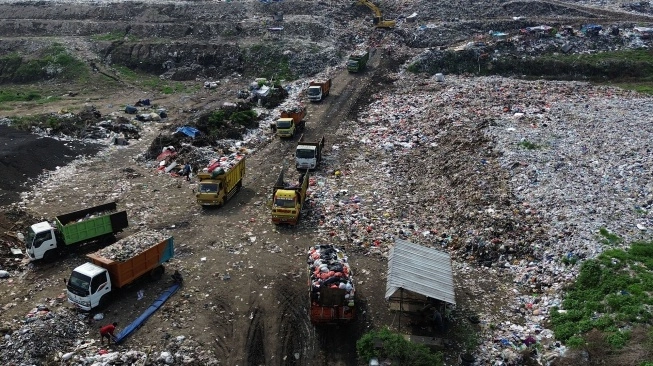
Data from Indonesia’s National Waste Management Information System (SIPSN) shows that Indonesia generates 56.6 million tons of waste annually, with 10–12 million tons consisting of plastic waste.
Most of this waste ultimately pollutes land and oceans.
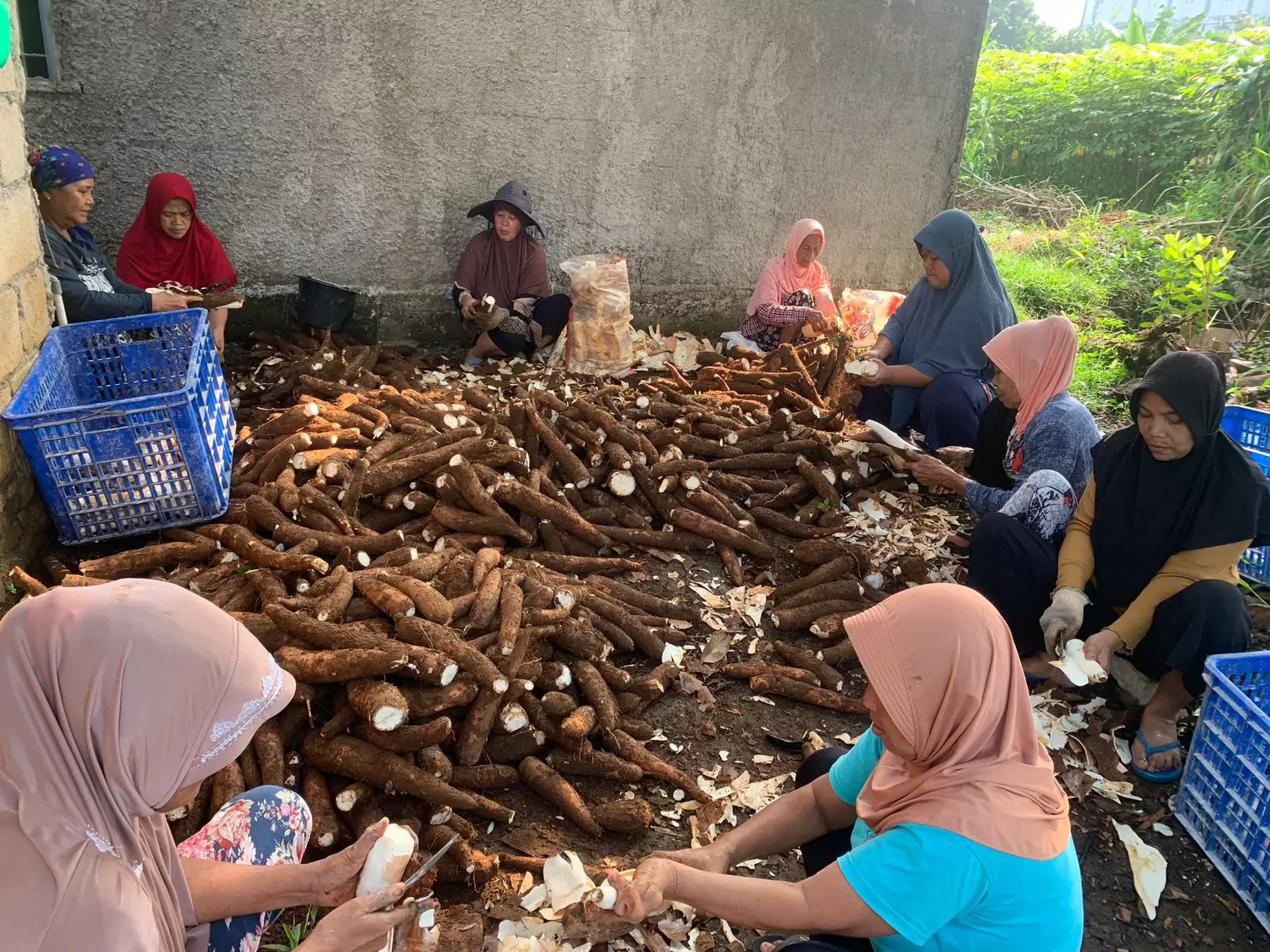
In this context, bioplastics have emerged as a breakthrough solution. Made from local natural materials such as cassava, palm starch, and cellulose, bioplastics have the advantage of decomposing more quickly than conventional plastics, while also supporting the utilization of domestic agricultural resources.
The government has established clear standards through Ministry of Industry Regulation No. 55/2020 on Green Industry Standards for Bioplastic Bags.
This policy is expected to provide clear direction for producers while strengthening the position of the bioplastics industry as a pillar of Indonesia’s national green industry.
Through cross-sector commitment involving the government, industry, and society, Indonesia is reaffirming its path toward a circular economy and sustainable development.
Source article: https://www.kompas.tv/saintek/613537/bioplastik-jadi-solusi-urgen-hadapi-krisis-sampah-plastik-di-indonesia?page=all#goog_rewarded
Latest Post