BRIN and Greenhope Agree to Develop Marine-Friendly Bioplastics
Tuesday, 20 May 2025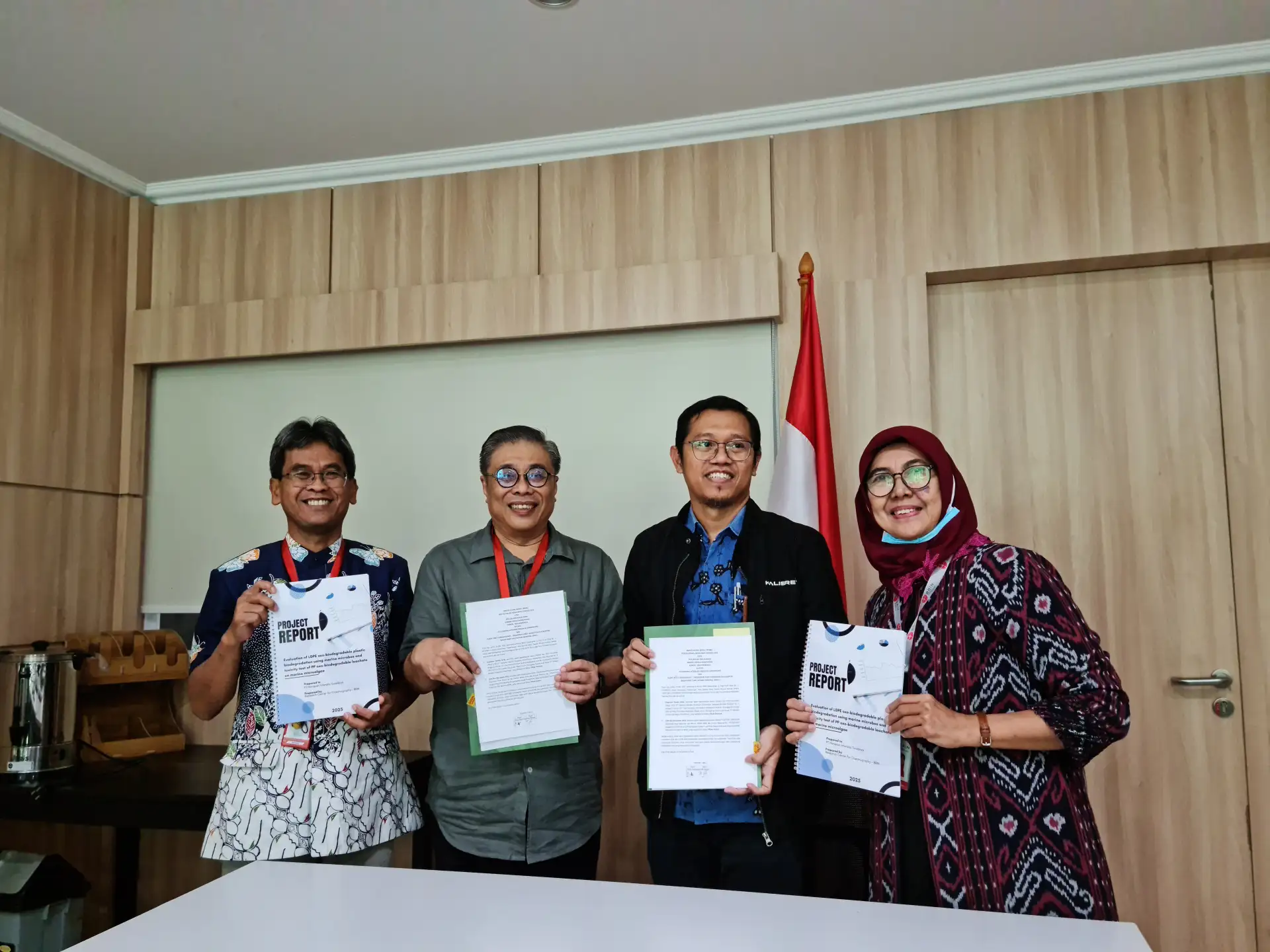
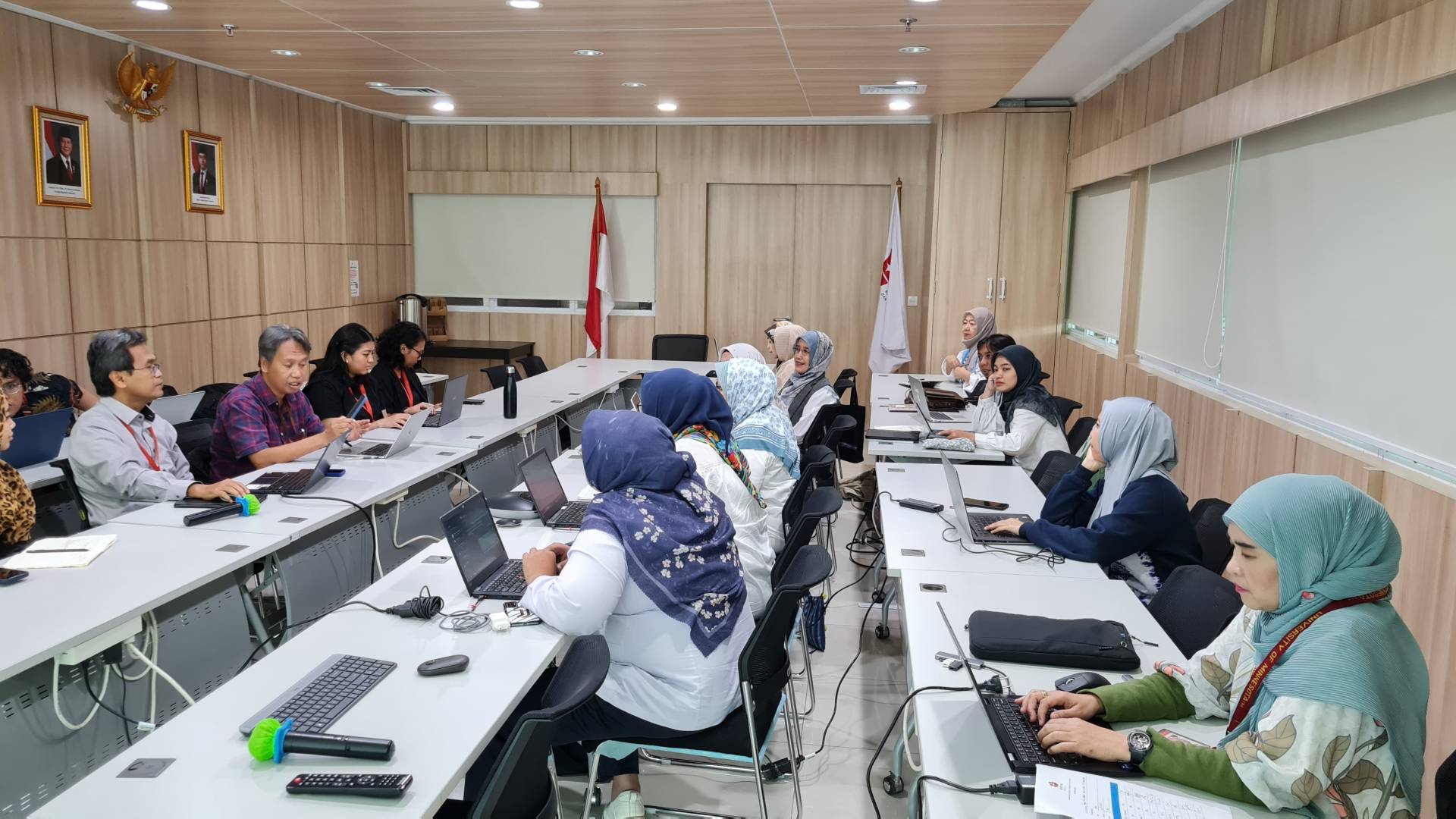
In an effort to promote innovative and sustainable environmental research, the Oceanography Research Center of the BRIN together with Greenhope officially signed the Minutes of Work Completion for the initial phase of a joint research project titled “Biodegradation and Toxicological Impact of Plastics with Prodegradant Additives on Aquatic Organisms.” This collaboration aims to support the development of environmentally friendly bioplastics.
The agreement was signed by Head of the BRIN Oceanography Research Center, Udhi Eko Hernawan, and Greenhope Chief Innovation Officer (CIO) Sugianto Tandio at the BRIN Science Area Aprilani Soegiarto Office in Ancol, Jakarta, on Friday (05/16).
The research collaboration, which has been ongoing since June 2024, focuses on two main areas: the biodegradation effectiveness of oxo-biodegradable LDPE plastic by marine microbes and the evaluation of the toxicity of leachate (residual liquid) from oxo-biodegradable PP plastic on marine microalgae species.
In her presentation, BRIN researcher Yeti Darmayati explained that LDPE plastic with prodegradant additives showed a degradation rate of up to 10.9% within 90 days. She revealed that this result was significantly higher compared to conventional plastics, which degraded by less than 6.3%.
“This process was enhanced by UV light exposure before microbial treatment, accelerating the formation of functional groups on the plastic surface and making it easier for marine microbes such as bacteria, actinomycetes, and fungi to colonize,” she explained.
Meanwhile, she added, toxicological test results showed that leachate from oxo-biodegradable PP plastic had negative effects on the growth of certain microalgae, particularly Chlorella sp. and Tetraselmis sp., which are sensitive to chemical compounds produced during degradation.
Regarding the research findings, Sugianto emphasized the importance of downstreaming research results so they can create real impacts for industry and the environment.
“As we move toward Golden Indonesia, we need to produce patents that can be commercialized. Bioplastic innovation must not stop in laboratories—it has to become real products that society can use,” he stressed.
Agreeing with this statement, Udhi highlighted the importance of encouraging researchers to produce applicable Intellectual Property (IP).
“BRIN must produce Intellectual Property, including patents, copyrights, and others!” he emphasized.
He explained that researchers are encouraged to create impactful intellectual property beyond academic publications. According to him, most research results have not yet reached the market, making collaborations like this a concrete example of integrating science and industry.
After the signing ceremony, the Greenhope delegation visited the laboratories where the research was conducted, including the Microbiology Laboratory, Toxicology Laboratory, and BRIN Integrated Laboratory.
In the future, the collaboration is expected to continue until 2026, focusing on the exploration of new microbes, the development of safer environmentally friendly plastic formulas, and testing on real environmental scales. (SS/ed: And, aps)
Source article: https://www.brin.go.id/news/123124/brin-dan-greenhope-sepakati-pengembangan-bioplastik-ramah-laut
Latest Post